2026-06-09
How to care for your indoor plants: a practical guide
Light, watering, humidity and the easiest plants to start with. A simple guide to keep your indoor plants healthy all year round.
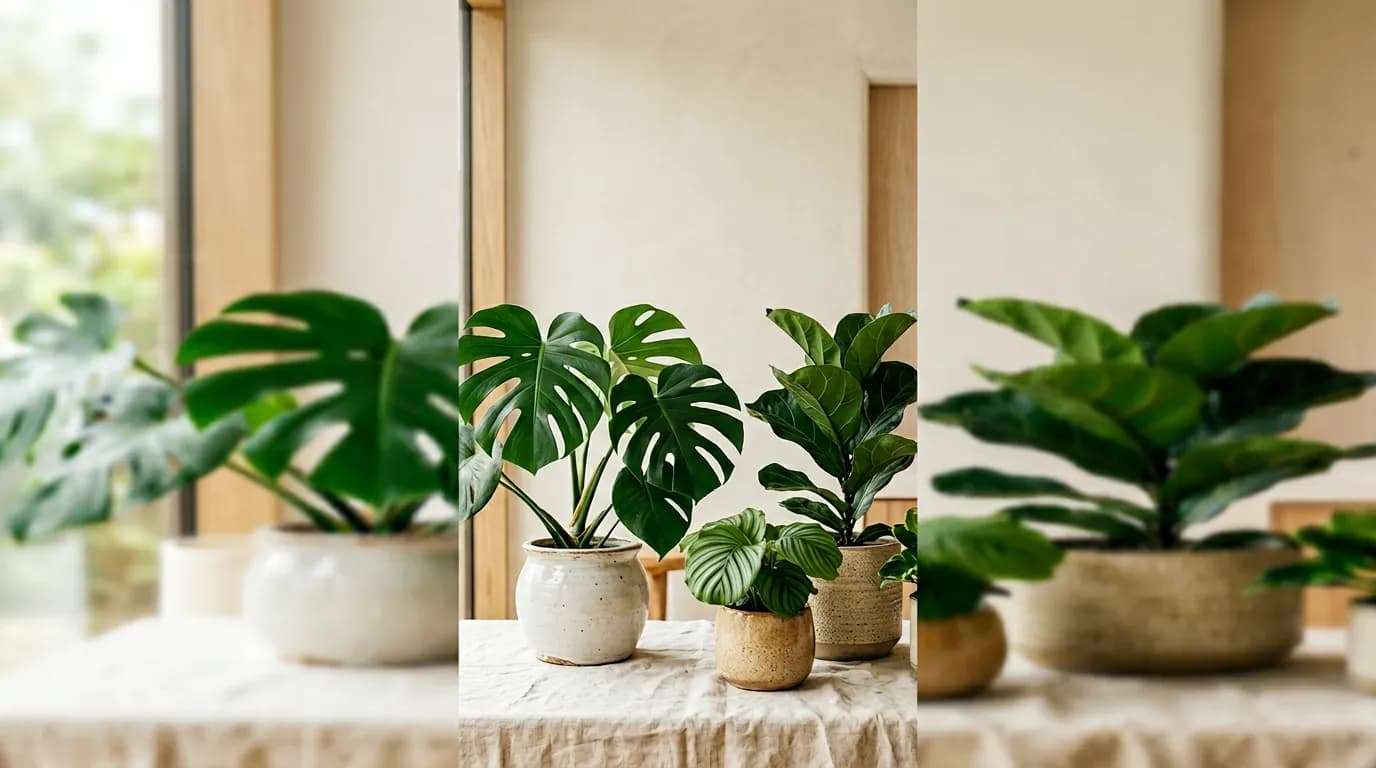
Having plants at home is one of the loveliest ways to bring a space to life. But the most common question we get in the shop is always the same: "why do they keep dying?". The good news is that almost everything comes down to three things you can control.
Light: the most underrated factor
Most indoor plants want bright, indirect light: near a window, but without direct sun hitting the leaves for hours. If a plant stretches its stems searching for light or loses colour, it usually needs more.
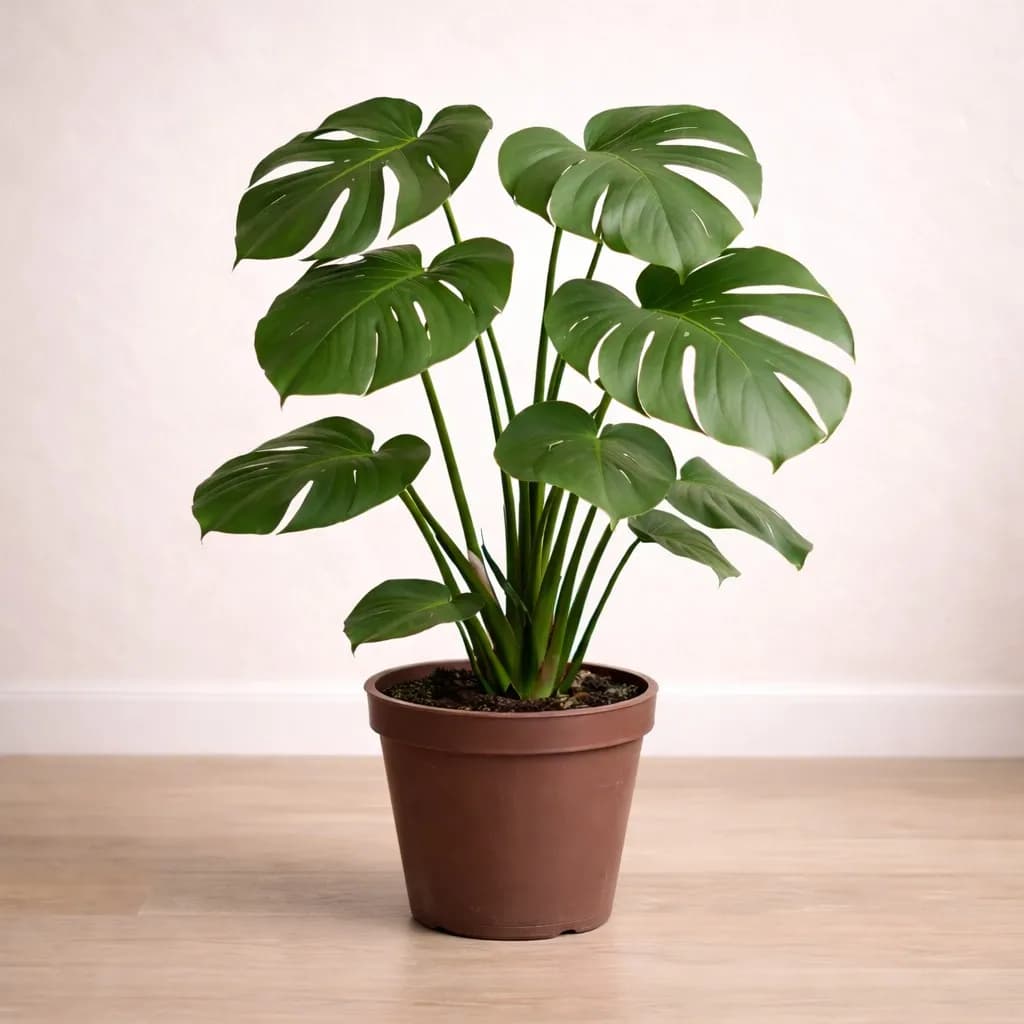
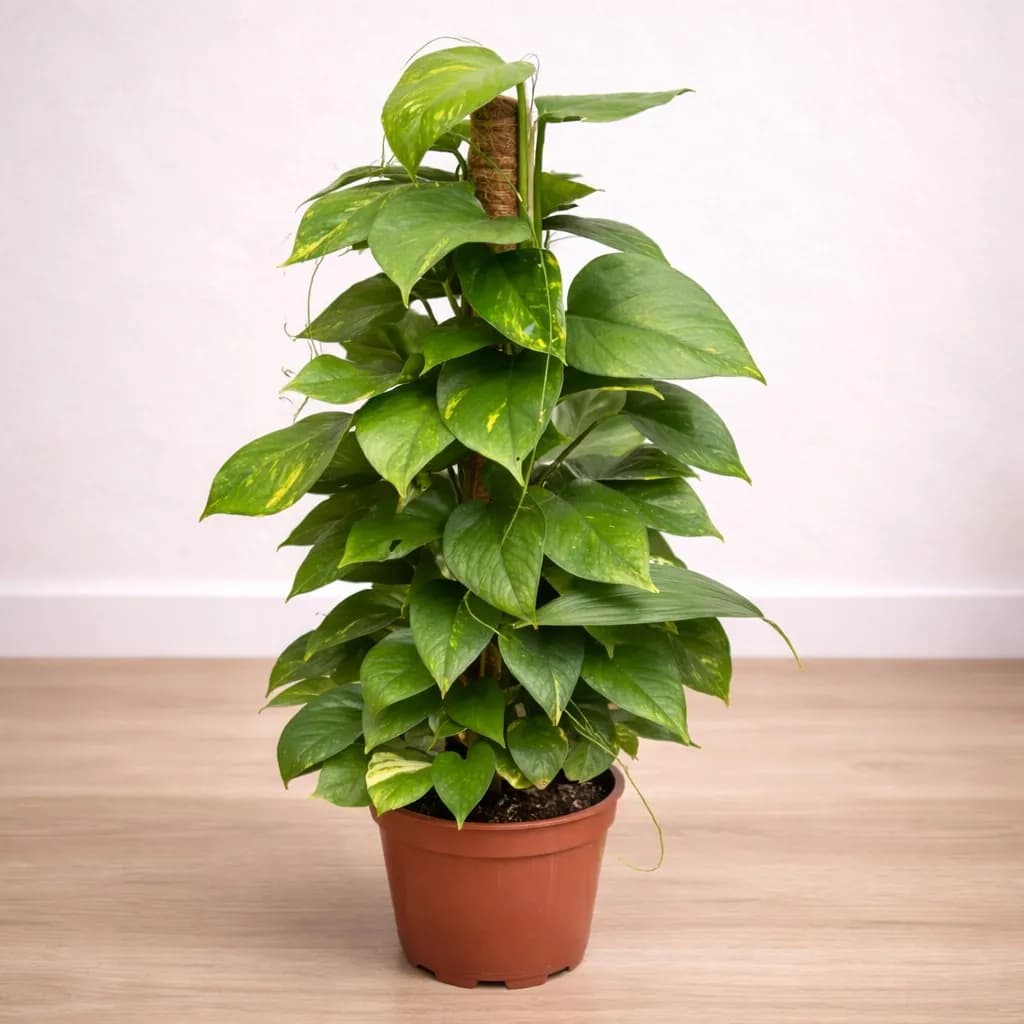
- Lots of indirect light: monstera, pothos, ficus.
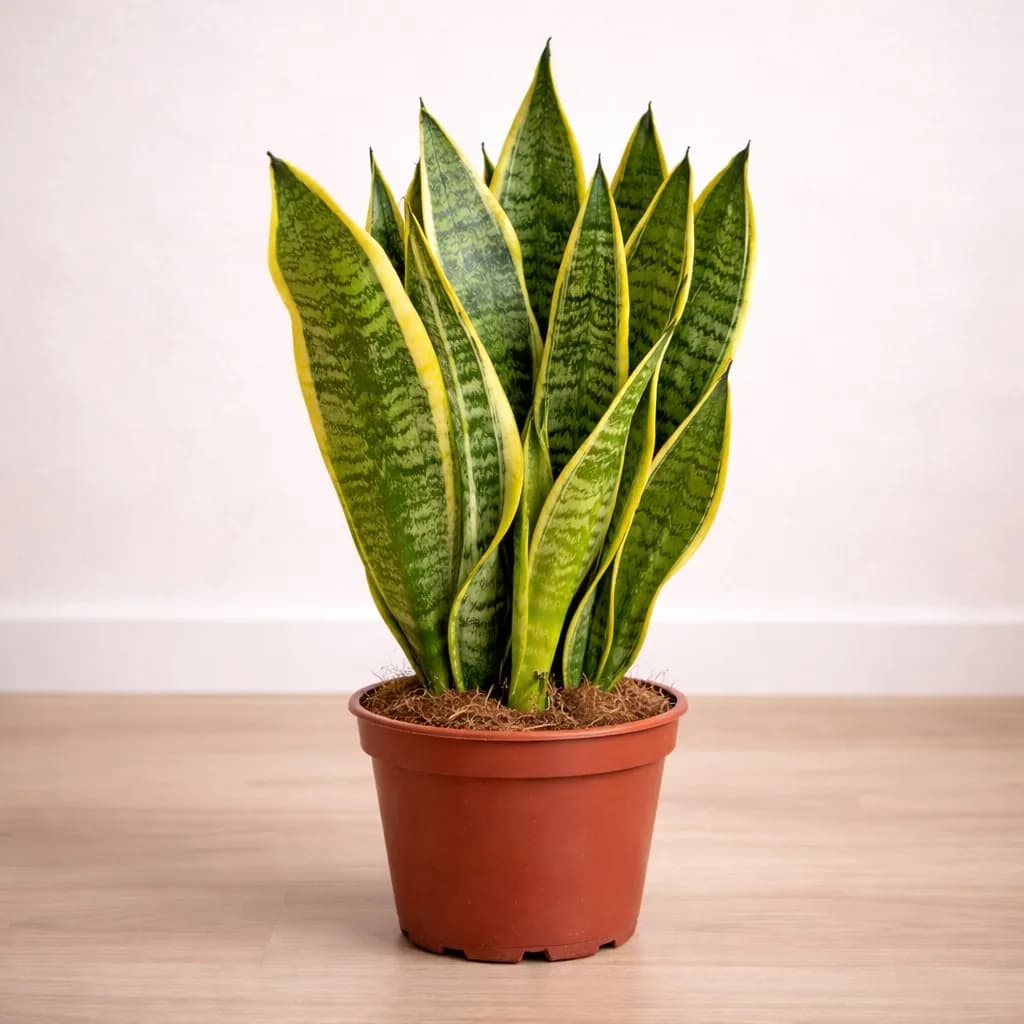
- Tolerate low light: snake plant, aglaonema, ferns.
- Need direct sun: succulents and cacti.
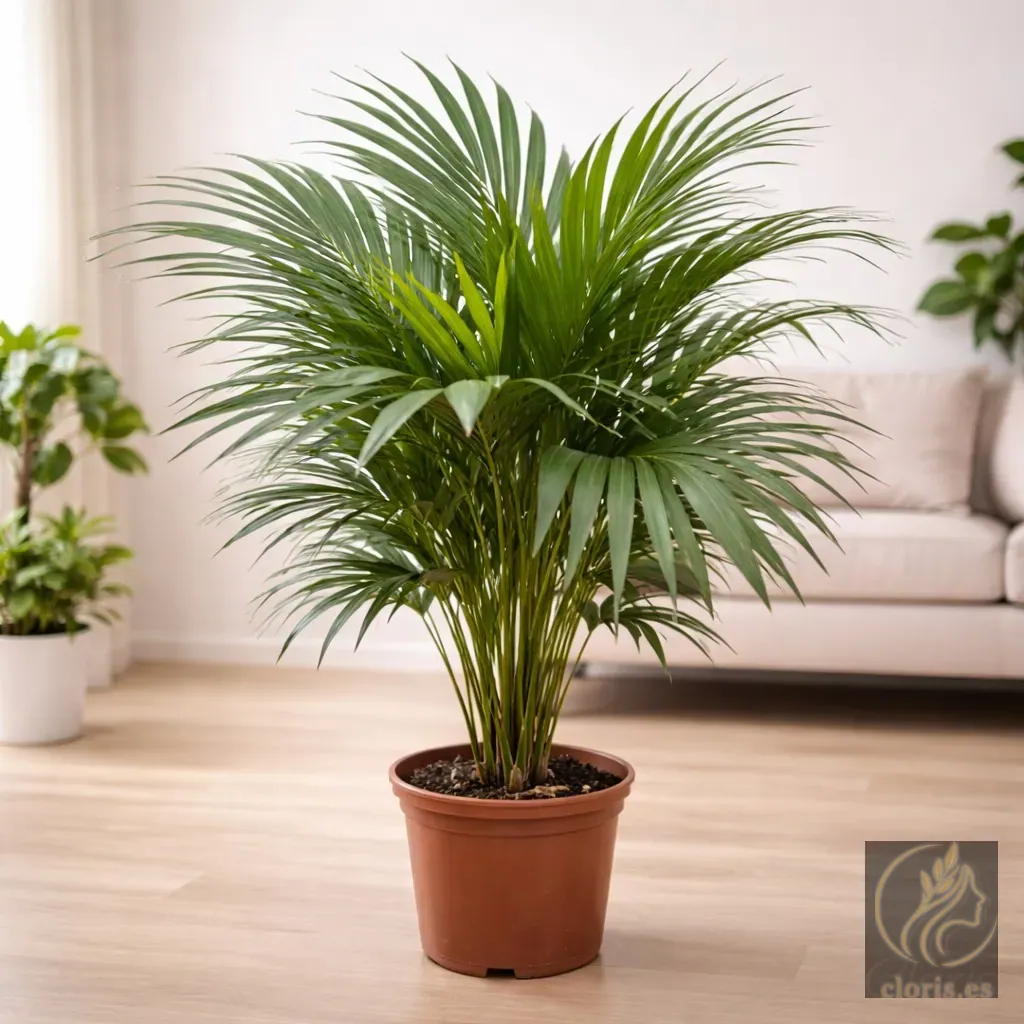
Watering: less is more
More plants die from too much water than from too little. The practical rule: stick a finger in the soil and only water when the top inch is dry. In winter, space waterings out much more. And make sure the pot drains: standing water rots the roots.
Humidity and temperature
Tropical plants love humidity. If your heating runs hot, group plants together or mist the leaves now and then. Avoid cold draughts and radiators right beside them.
Easy plants to start with
If you're a beginner, go for forgiving species. In our selection of indoor plants you'll find very hardy options like the snake plant, pothos or succulents, perfect for building confidence.
Frequently asked questions
How often should I water an indoor plant? There's no fixed number: it depends on light, season and the plant. Follow the dry soil, not the calendar.
Why are the leaves turning yellow? Almost always overwatering. Let the soil dry out fully before watering again.
Which plant survives low light and little care? The snake plant is practically indestructible and purifies the air.
Need help choosing? Get in touch and we'll recommend the plant that best suits your home.
Gallery